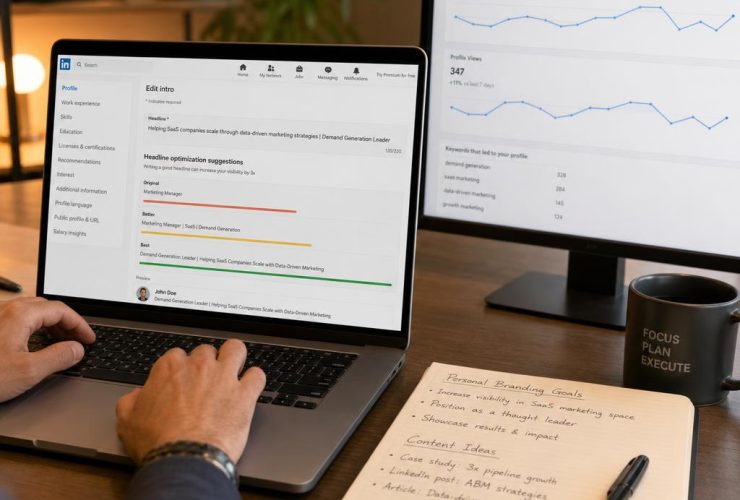

LinkedIn Headlines That Improve Recruiter Visibility
The job market in 2026 is more competitive than ever. Before your resume reaches a hiring manager, it will likely be reviewed by an Applicant Tracking System (ATS). These systems help employers process hundreds of applications quickly by scanning resumes for keywords, skills, experience, and qualifications that match a job description.
While ATS software helps recruiters save time, it can also prevent qualified candidates from moving forward if their resumes are not properly optimized. Many applicants unknowingly make mistakes that cause ATS systems to misread or overlook important information. As a result, strong candidates are often rejected before a recruiter ever sees their application.
Understanding how ATS software works is essential for modern job seekers. By avoiding common ATS mistakes, you can improve your resume’s visibility, increase your ranking in applicant searches, and improve your chances of landing interviews. In this guide, we’ll explore ten ATS resume mistakes that could cost you an interview in 2026 and explain how to avoid them.
Why ATS Optimization Matters
Applicant Tracking Systems evaluate resumes based on several factors, including:
- Keywords from the job description
- Relevant work experience
- Technical and professional skills
- Education and certifications
- Job titles and industry terminology
- Formatting and readability
If your resume lacks relevant keywords or contains formatting issues, the ATS may assign a low score even if you are highly qualified for the role.
10 ATS Resume Mistakes to Avoid
1. Using Graphics, Tables, and Text Boxes
One of the most common ATS mistakes is using complex formatting elements such as graphics, icons, tables, and text boxes. While these features may make a resume visually appealing, many ATS platforms struggle to interpret them correctly.
For example, some job seekers place key skills inside a sidebar table. Although a recruiter can easily see the information, the ATS may ignore it entirely. As a result, important qualifications may not be included in the candidate’s ranking score.
Another common issue occurs when applicants use icons instead of text labels for phone numbers, email addresses, or social media links. ATS software may not recognize these symbols, causing contact information to be missed.
To maximize ATS compatibility, use a clean layout with standard section headings and simple formatting. Keep all critical information within the main body of the document.
2. Missing Important Keywords
Keywords play a major role in ATS rankings. Employers configure ATS software to search for terms that match the responsibilities and requirements listed in the job description. Missing these keywords can significantly reduce your visibility.
For example, if a project management position repeatedly mentions Agile methodology, stakeholder management, budgeting, and risk analysis, your resume should include those terms if they accurately reflect your experience.
Many candidates make the mistake of describing their experience using different language than the employer. While the meaning may be similar, ATS software often prioritizes exact keyword matches.
Carefully review each job posting and identify the skills, qualifications, and industry terms that appear most frequently. Incorporate them naturally throughout your resume.
3. Using the Same Resume for Every Job
A generic resume rarely performs well in ATS systems. Each employer has different priorities, and ATS software evaluates resumes based on how closely they align with a specific job description.
For example, a marketing professional applying for a content marketing position should emphasize SEO, content strategy, and copywriting. If applying for a paid advertising role, they should focus on PPC campaigns, analytics, and conversion optimization.
Submitting the same resume for every opportunity reduces your ability to match the employer’s specific requirements. This often leads to lower ATS scores and fewer interview opportunities.
Customizing your resume for each application may take additional time, but it can significantly improve your chances of advancing through the hiring process.
4. Choosing the Wrong File Format
File format is often overlooked, but it can have a significant impact on ATS performance. While many modern systems can read PDF files, some employers still prefer Word documents because they are easier for software to process.
A poorly formatted PDF may cause sections to appear out of order or become unreadable after being uploaded into an ATS. This can negatively affect how the system evaluates your application.
For instance, a designer may create a visually stunning PDF resume using advanced software. Unfortunately, some ATS platforms cannot properly interpret the formatting, causing critical information to disappear.
Always follow the employer’s instructions. If no file format preference is specified, a DOCX file is generally a safe option.
5. Using Non-Standard Job Titles
Creative job titles may sound impressive, but they can create confusion for ATS software. Recruiters and hiring systems typically search using standard industry terminology.
For example, a candidate whose official title was “Customer Happiness Guru” may not appear in searches for “Customer Service Manager” even though the responsibilities are nearly identical.
Similarly, titles such as “Marketing Ninja” or “Sales Rockstar” may not be recognized by ATS platforms. These unconventional titles can reduce your visibility in recruiter searches.
When possible, use standard job titles that accurately reflect your responsibilities. If your official title was unusual, consider adding a more commonly recognized equivalent in parentheses.
6. Keyword Stuffing
After learning about the importance of keywords, some job seekers make the mistake of overusing them. This practice, known as keyword stuffing, can hurt both ATS performance and recruiter perception.
For example, repeatedly listing terms such as “leadership,” “project management,” and “communication skills” without providing context can make your resume appear unnatural and difficult to read.
Modern ATS systems are becoming more sophisticated and can often identify keyword stuffing. Recruiters reviewing your resume may also view excessive repetition as a red flag.
The best approach is to include keywords naturally within descriptions of your accomplishments, responsibilities, and measurable results.
7. Missing a Dedicated Skills Section
Many ATS platforms rely heavily on skills sections when evaluating candidates. While work experience is important, ATS software often scans for a clearly labeled skills section to quickly identify qualifications that match the job description.
Some candidates assume that listing skills within job descriptions is enough. However, ATS software may not always give those skills the same weight as skills listed in a dedicated section. This can result in lower ranking scores.
For example, a software engineer may mention Python, SQL, and AWS within work experience descriptions but fail to include a technical skills section. Another candidate with identical experience but a dedicated skills section may rank higher.
Create a separate section that highlights your most relevant skills. Include technical skills, certifications, software platforms, and industry-specific competencies that align with the role.
8. Using Abbreviations Without Full Terms
ATS software searches for both abbreviations and full terminology. Using only one version may reduce your chances of appearing in recruiter searches.
For example, some recruiters search for “Project Management Professional,” while others search for “PMP.” If your resume includes only one version, you could miss valuable opportunities.
The same applies to certifications, technical skills, and industry terminology. Terms such as SEO, CRM, CPA, HRIS, and KPI should often be accompanied by their full versions when appropriate.
A simple solution is to write both versions the first time they appear. For example: “Project Management Professional (PMP)” or “Search Engine Optimization (SEO).” This approach maximizes keyword coverage while maintaining readability.
9. Placing Important Information in Headers and Footers
Many job seekers use headers and footers to create a cleaner design. Unfortunately, some ATS systems struggle to properly read information placed in these sections.
This becomes particularly problematic when candidates place contact information, LinkedIn URLs, or key credentials in headers or footers. If the ATS cannot interpret this content, recruiters may never see it.
Imagine submitting a strong resume only to discover that the ATS failed to capture your phone number or email address. Even if you are selected for an interview, the recruiter may have difficulty contacting you.
Keep all important information in the main body of the resume. This ensures that ATS software can process and store the information correctly.
10. Failing to Quantify Achievements
One of the biggest differences between an average resume and an outstanding resume is the use of measurable achievements. ATS systems and recruiters both value evidence of results.
Many candidates focus on responsibilities rather than accomplishments. For example, writing “Managed a sales team” provides little insight into performance. A stronger statement would be “Managed a sales team that increased annual revenue by 28%.”
Numbers help demonstrate impact and provide context. Metrics such as revenue growth, cost reductions, customer satisfaction improvements, and project completion rates make accomplishments more compelling.
Whenever possible, include percentages, dollar amounts, time savings, productivity improvements, or other measurable outcomes to strengthen your resume.
ATS Resume Optimization Checklist
- Use a simple and ATS-friendly resume layout.
- Customize your resume for every job application.
- Include keywords from the job description.
- Use standard section headings.
- Create a dedicated skills section.
- Avoid graphics, tables, and text boxes.
- Use standard job titles whenever possible.
- Include both abbreviations and full terminology.
- Keep contact information in the main body of the resume.
- Quantify achievements with measurable results.
ATS Best Practices
- Review every job description carefully before applying.
- Match your skills to employer requirements.
- Use professional and easy-to-read fonts.
- Proofread for spelling and grammar errors.
- Keep formatting consistent throughout the document.
- Use bullet points to improve readability.
- Focus on accomplishments rather than duties.
- Update your resume regularly.
- Include relevant certifications.
- Test your resume with ATS tools when possible.
Signs Your Resume May Not Be ATS-Friendly
If you consistently apply for positions that match your qualifications but receive few interview requests, your resume may not be optimized for ATS software. Other warning signs include frequent automated rejections and poor results despite having strong experience.
Reviewing your resume against the job description and checking for the mistakes outlined in this article can often reveal opportunities for improvement. Even small changes can significantly increase your visibility within ATS systems.
Remember that ATS optimization is not about tricking the software. The goal is to clearly communicate your qualifications in a format that both technology and recruiters can easily understand.
Frequently Asked Questions
What is an Applicant Tracking System (ATS)?
An Applicant Tracking System is software used by employers to collect, organize, and evaluate job applications. ATS platforms help recruiters manage large volumes of resumes by automatically ranking candidates based on qualifications, keywords, skills, and experience. Most medium-sized and large organizations use ATS technology as part of their hiring process.
Can ATS Software Read PDF Resumes?
Many modern ATS platforms can read PDF files successfully. However, not all systems process PDFs equally. If an employer specifically requests a Word document, always follow their instructions. When no preference is provided, a properly formatted PDF or DOCX file is generally acceptable, but DOCX remains the safest choice for maximum compatibility.
How Many Keywords Should I Include in My Resume?
There is no perfect number of keywords. The goal is to naturally incorporate relevant terms that accurately reflect your qualifications and match the job description. Avoid excessive repetition, as keyword stuffing can make your resume appear unnatural.
Should I Customize My Resume for Every Job Application?
Yes. Customizing your resume for each application is one of the most effective ways to improve ATS performance. Even small adjustments to your summary, skills section, and work experience can help your resume better align with the job description.
Can ATS Systems Reject Qualified Candidates?
Unfortunately, yes. A highly qualified candidate can be overlooked if their resume contains formatting issues, lacks relevant keywords, or fails to communicate qualifications in a way the ATS can interpret.
What Sections Should Every ATS-Friendly Resume Include?
A strong ATS-friendly resume should contain: Contact Information, Professional Summary, Work Experience, Skills Section, Education, Certifications (if applicable), and Relevant Technical Skills. Using clear section headings helps ATS software identify and categorize information correctly.
Do ATS Systems Look at Employment Gaps?
ATS software primarily focuses on matching qualifications and keywords. However, recruiters reviewing your application may notice employment gaps. Consider explaining productive activities such as education, certifications, or freelance work during that period.
How Often Should I Update My Resume?
You should update your resume regularly, even when you are not actively looking for a job. Update achievements, certifications, new skills, promotions, and major projects as they occur.
Conclusion
Applicant Tracking Systems have transformed the hiring process, making ATS optimization an essential skill for job seekers in 2026. While these systems help employers manage large numbers of applications, they can also create obstacles for candidates who are unaware of common resume mistakes.
The good news is that most ATS-related issues are completely avoidable. By using a clean format, incorporating relevant keywords, creating a dedicated skills section, using standard job titles, and highlighting measurable achievements, you can dramatically improve your chances of moving beyond the initial screening process.
Remember that ATS optimization is not about gaming the system. It is about presenting your qualifications clearly and professionally so both technology and recruiters can accurately evaluate your experience.
Ready to Improve Your Resume and Land More Interviews?
If you’re unsure whether your resume is ATS-friendly, professional assistance can help you stand out in today’s competitive job market. Learn more about expert resume writing services at Professional Resume Writing Services.
For additional career resources, resume tips, LinkedIn profile optimization, cover letter assistance, and job search guidance, visit Upgrade Resume.
Don’t let avoidable ATS mistakes prevent you from reaching your career goals. Take the next step today and ensure your resume is ready to compete successfully in the 2026 job market.