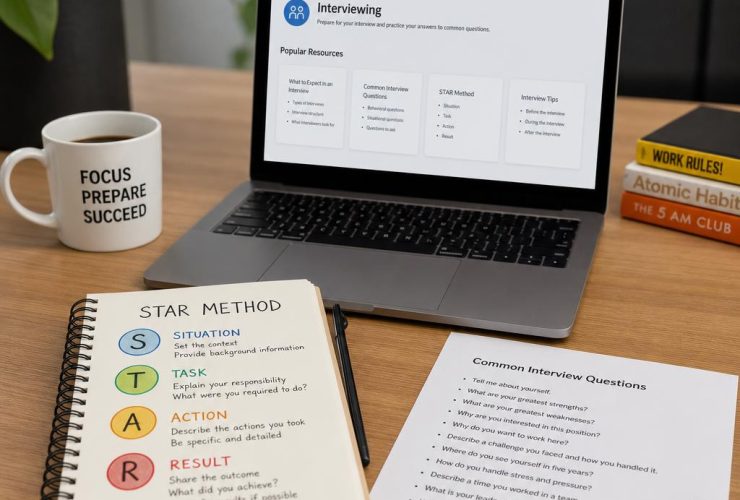

Using the STAR Method to Structure Strong Behavioral Interview Answers
Behavioral interview questions have become one of the most common tools employers use to evaluate job candidates. Unlike traditional interview questions that focus on qualifications or technical knowledge, behavioral questions require candidates to discuss real experiences from their professional backgrounds. Employers ask these questions because they believe past behavior is one of the strongest indicators of future performance. How you handled challenges, solved problems, managed conflict, led teams, or achieved results in previous situations can provide valuable insight into how you may perform in a future role.
Many job seekers struggle with behavioral interviews because they are unprepared for the level of detail interviewers expect. Candidates often provide vague responses, jump between unrelated topics, or fail to clearly explain the outcome of a situation. As a result, even highly qualified professionals may leave interviewers uncertain about their abilities. Fortunately, there is a proven framework that helps candidates structure their answers effectively: the STAR Method. The STAR Method provides a simple and organized way to answer behavioral interview questions by focusing on four key components: Situation, Task, Action, and Result. This framework helps candidates communicate their experiences clearly, demonstrate their value, and provide evidence of their skills and accomplishments. Whether you’re applying for an entry-level position, a management role, or an executive opportunity, understanding how to use the STAR Method can significantly improve your interview performance and increase your chances of receiving a job offer.
What Are Behavioral Interview Questions?
Behavioral interview questions ask candidates to describe specific situations they have encountered in the past.
Why Employers Use Behavioral Questions
Employers use these questions to evaluate:
• Problem-solving abilities
• Leadership skills
• Communication skills
• Teamwork
• Adaptability
• Conflict resolution
• Decision-making
Instead of asking what you would do in a hypothetical situation, recruiters want examples of what you actually did.
Common Behavioral Interview Questions
Examples include:
• Tell me about a time you solved a difficult problem.
• Describe a situation where you handled conflict at work.
• Give an example of a project you led successfully.
• Tell me about a time you failed and what you learned.
• Describe a time when you worked under pressure.
• Share an example of when you exceeded expectations.
These questions require specific examples rather than general opinions.
Understanding the STAR Method
The STAR Method helps organize responses in a logical and professional manner.
S: Situation
Begin by explaining the context.
Describe:
• Where the situation occurred
• Who was involved
• What challenge existed
Keep this section brief while providing enough detail for the interviewer to understand the scenario.
T: Task
Explain your responsibility.
Examples include:
• Completing a project
• Solving a problem
• Meeting a deadline
• Improving performance
Clearly define your role within the situation.
A: Action
This is the most important part of your answer.
Describe:
• Steps you took
• Decisions you made
• Strategies you implemented
Focus on your individual contributions rather than the actions of the entire team.
R: Result
Conclude with the outcome.
Examples include:
• Increased sales
• Improved efficiency
• Reduced costs
• Resolved conflicts
• Achieved project goals
Whenever possible, include measurable results.
Why the STAR Method Works
The STAR Method provides structure and clarity.
It Prevents Rambling
Many candidates become nervous and provide lengthy, disorganized responses. The STAR Method helps keep answers focused.
It Demonstrates Results
Employers want evidence of performance. The Result section helps showcase your impact.
It Improves Communication
Structured answers are easier for interviewers to understand and evaluate. Clear communication often creates stronger impressions.
Example Question: Tell Me About a Time You Solved a Problem
Let’s examine a complete STAR Method response.
Situation
“Our department was experiencing delays in processing customer requests, leading to complaints and longer response times.”
Task
“I was responsible for identifying the cause of the delays and helping improve workflow efficiency.”
Action
“I analyzed our processes, identified bottlenecks, and proposed a new tracking system that improved communication between team members.”
Result
“The changes reduced response times by 25% and improved customer satisfaction scores during the following quarter.”
This response demonstrates problem-solving, initiative, and measurable results.
Example Question: Describe a Conflict You Resolved
Conflict resolution is a common interview topic.
Situation
“Two team members disagreed about project priorities, causing delays and communication issues.”
Task
“As project coordinator, I needed to facilitate a solution and maintain project momentum.”
Action
“I scheduled a meeting, encouraged open discussion, clarified responsibilities, and developed a shared action plan.”
Result
“The team resolved the conflict, improved collaboration, and completed the project ahead of schedule.”
This example demonstrates leadership and communication skills.
Example Question: Tell Me About a Leadership Experience
Leadership examples are valuable even for candidates without management titles.
Situation
“During a university project, our team struggled to meet deadlines and lacked coordination.”
Task
“I volunteered to organize the project and ensure milestones were completed.”
Action
“I assigned responsibilities, created timelines, and held regular progress meetings.”
Result
“The project was completed successfully and received one of the highest grades in the class.”
Leadership can be demonstrated in many settings.
Finding Strong STAR Examples
Many candidates believe they lack relevant experiences. In reality, valuable examples often come from multiple areas.
Professional Experience
Examples include:
• Project management
• Customer service
• Sales achievements
• Process improvements
Academic Experience
Students and recent graduates can discuss:
• Group projects
• Research assignments
• Leadership roles
• Presentations
Volunteer Experience
Volunteer activities often demonstrate:
• Teamwork
• Leadership
• Initiative
• Problem-solving
Extracurricular Activities
Clubs, sports, and organizations frequently provide excellent examples.
Common STAR Method Mistakes
Spending Too Much Time on the Situation
Candidates often provide excessive background information. Keep the Situation concise.
Failing to Highlight Personal Contributions
Interviewers want to know what you did specifically.
Avoid overusing:
• We
• Our team
• Everyone
Focus on your individual role.
Forgetting the Result
Many candidates explain actions but never discuss outcomes. Always conclude with results.
Not Using Metrics
Whenever possible, quantify achievements.
Examples:
• Increased sales by 15%
• Reduced costs by 10%
• Improved efficiency by 20%
Numbers strengthen credibility.
Behavioral Questions by Skill Area
Understanding common themes can help you prepare.
Leadership Questions
Examples:
• Tell me about a time you motivated a team.
• Describe a leadership challenge you faced.
• Problem-Solving Questions
Examples:
• Describe a difficult problem you solved.
• Tell me about a situation requiring creative thinking.
Teamwork Questions
Examples:
• Tell me about a successful team project.
• Describe a challenge you faced while working with others.
Adaptability Questions
Examples:
• Describe a major change you experienced.
• Tell me about a time you adjusted to new circumstances.
Preparing examples for these categories can improve interview readiness.
How to Prepare STAR Stories Before Interviews
Preparation is essential.
Create an Achievement Inventory
List examples involving:
• Leadership
• Conflict resolution
• Innovation
• Problem-solving
• Teamwork
Include Metrics
Document measurable results whenever possible.
Practice Aloud
Speaking examples aloud helps improve confidence and clarity.
Adapt Stories to Different Questions
Many examples can answer multiple behavioral questions. This flexibility improves interview performance.
STAR Method for Entry-Level Candidates
Candidates with limited experience can still use STAR effectively.
Examples of Relevant Experiences
• School projects
• Volunteer work
• Internships
• Part-time jobs
• Student leadership
Employers understand that entry-level candidates may not have extensive professional histories. The key is demonstrating transferable skills.
STAR Method for Experienced Professionals
Experienced candidates should focus on business impact.
Strong Topics Include
• Revenue growth
• Cost savings
• Team leadership
• Process improvements
• Strategic initiatives
These examples help demonstrate professional value.
Additional Interview Success Tips
Behavioral interview success involves more than strong answers.
Research the Company
Understanding the organization helps you tailor responses.
Review the Job Description
Identify skills and competencies the employer values most.
Maintain Professional Body Language
Positive body language reinforces confidence.
Listen Carefully
Make sure you fully understand the question before answering. These habits can strengthen overall interview performance.
Strengthen Your Professional Brand
Interview success often begins before the interview itself.
Recruiters frequently evaluate:
• Resumes
• LinkedIn profiles
• Cover letters
• Professional portfolios
Helpful career resources include:
• https://upgraderesume.com/
• https://upgraderesume.com/professional-resume-writing-services/
• https://upgraderesume.com/linkedin-profile-writing-services/
• https://upgraderesume.com/cover-letter-writing-services/
These services can help candidates strengthen both resumes and professional branding efforts while creating a more compelling and consistent professional image.
Frequently Asked Questions
What does STAR stand for?
STAR stands for Situation, Task, Action, and Result.
How long should a STAR answer be?
Most responses should last between one and two minutes.
Can I use school projects for STAR examples?
Yes. Students and recent graduates can use academic, volunteer, and extracurricular experiences.
How many STAR stories should I prepare?
Most candidates benefit from preparing at least five to ten examples covering different skill areas.
Why do employers ask behavioral questions?
Behavioral questions help employers evaluate how candidates have handled real situations in the past.
Conclusion
Behavioral interview questions are designed to help employers evaluate skills, experience, and professional judgment through real-life examples. The STAR Method provides a proven framework for answering these questions clearly and effectively. By organizing responses around the Situation, Task, Action, and Result, candidates can communicate accomplishments, demonstrate value, and showcase relevant skills. Whether you’re an entry-level job seeker or an experienced professional, mastering the STAR Method can significantly improve interview performance and help you stand out from competing candidates.
Call to Action
Strong interview performance begins with strong career documents. A well-written resume, optimized LinkedIn profile, and compelling cover letter help employers recognize your qualifications before the interview even begins. If you’re preparing for behavioral interviews and want to present your experience more effectively, professional support can help strengthen your overall job search strategy.
Upgrade Resume offers professional resume writing, LinkedIn profile optimization, cover letter writing, executive resume services, and career branding support designed to help candidates stand out in competitive hiring environments. Whether you’re pursuing your first professional role, advancing into management, changing careers, or targeting executive opportunities, expert guidance can help you showcase your accomplishments and communicate your value more effectively. Explore Upgrade Resume’s services to learn how professional career branding can increase recruiter interest, improve interview opportunities, and support long-term career success.